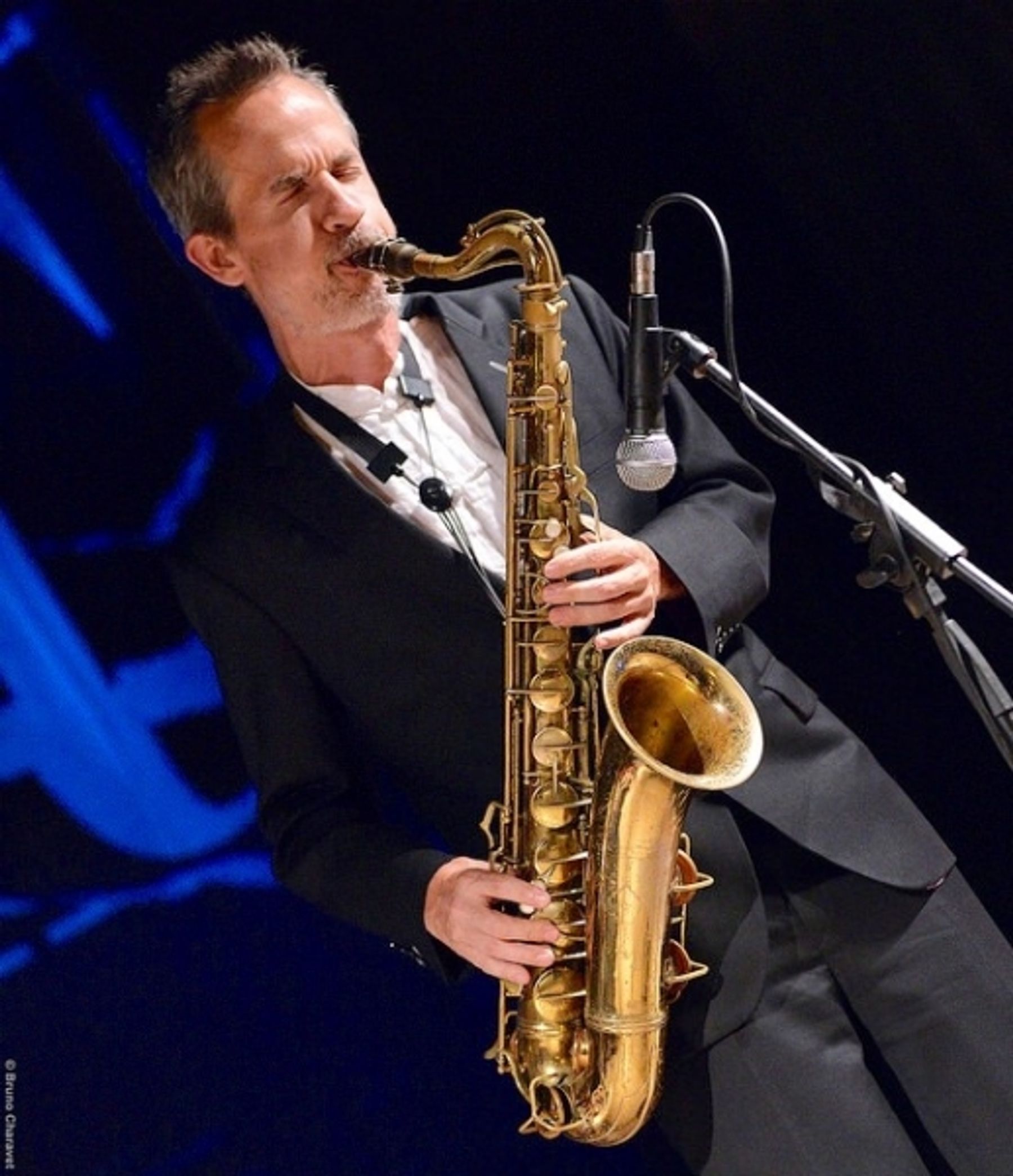
“It's not easy to be Chris Byars. With an incredible array of talents brought to bear on his composition, arrangements, and cooking jazz performances, it's no wonder he's worked his way to the forefront of the myriad of jazz players overwhelming the scene. ”
“Mr. Byars is in the pantheon of the contemporary breed of composer-bandleaders. His music is highly original and thoroughly eclectic yet solidly within the jazz mainstream. ”
“It's hard to label a player like this, who seems to have absorbed both the cool and hard-bop approaches and come out singing his own song. Whatever we might call it, Byars has learned the thing they can't teach in the schools; he sounds like himself and not like everybody else. ”
— Duck Baker, Coda Magazine
“Byars' playing is buoyantly lyrical, rendered with keen precision and verve. There's a touch of Monk in his compositions. ”
— Forrest Dylan Bryant, Jazz Times
“Chris Byars puts a premium on absorbing jazz history but never lets his sense of tradition get in the way of attaining a modern sound. Byars is impressive on alto, tenor, and soprano saxophones, and his empathy for underappreciated soloists like Lucky Thompson and Gigi Gryce reveals a harmonic sophistication and a unique sense of time. ”
— Mitch Myers, DownBeat
“Chris Byars’ sound on tenor is so light and supple that it is possible to miss the sophistication of his ideas and the elegant, finished complexity of his designs. ”
— Tom Conrad, Jazz Times